
"coffee processing"
59000 article(s) found

Ethiopian Honey Processing Sidama Coffee Valley Jidri Korcha Processing Plant Deri Korcha
Professional coffee knowledge exchange More coffee bean information Please pay attention to coffee workshop (Weixin Official Accounts cafe_style) Ethiopia Sidamo Valley Jidri Koga Treatment Plant White Honey Treatment Production Country Ethiopia Sidamo,Guji Farm Deri Korcha Elevation 1950 2100 m Treatment White Honey Process Grade Q1 Variety Heirloom Flavor

Post-harvest processing of high-quality coffee beans
After the harvest coffee bean processing: coffee berries must be processed immediately after picking to prevent pulp fermentation and decay. Coffee beans can be processed in two ways, wet and dry. The drying method is also called the natural method. Spread the coffee berries flat in the sun to dry. In the plantation, 50 square meters of coffee berries are laid on each hectare, or

Introduction to the structure diagram and growth process of coffee bean structure roaster
The harvested coffee berries need further treatment, usually in two ways. Then there is the Qing Dynasty.

Ethiopian coffee flavor description processing characteristics of varieties of production area taste processing introduction
In the southwestern highlands of Ethiopia, the Kaffa, Sheka, Gera, Limu and Yayu Senli coffee ecosystems are considered home to Arabica coffee. These forest ecosystems are also home to a variety of medicinal plants, wildlife, and endangered species, large coffee farming villages.

The refined processing of coffee beans includes roughing, separation, classification, fermentation, drying, shelling and throwing.
The refined processing of coffee beans includes eight processes, such as rough processing, separation, classification, fermentation, drying, shelling, polishing, sorting and so on. There are two ways to prepare coffee beans for the baking process. The method chosen has a significant impact on the final value and quality of coffee. The cheapest method of processing is called drying, which is used for lower coffee beans and higher quality coffee beans.

A brief introduction to the processing process of Coffee beans
There are three main methods for processing coffee: dry, semi-dry and non-dry. The purpose of processing is to peel the coffee beans, reduce the water content of the coffee beans to a level suitable for preservation, and then deal with the coffee beans according to the market demand. Recently, the harvest of coffee has been fully spread out in Yunnan. I think it's time to pick out some of the blog posts I've posted. this

Costa Rican Tarazu Coffee production area introduces the roasting of Costa Rica San Roman Coffee processing Plant
Costa Rica Saint Roman processing Plant Royal Coffee Costa Rica San Ramon Royal Coffee country: Costa Rica Grade: SHB altitude: 1700m production area: Tara Pearl production area roasting degree: medium depth Baking treatment: washing treatment varieties: Kaddura, Kaduai processing Plant: Saint Roman processing Plant Flavor: berry, Caramel, Cream, Micro Flavor

Ethiopia compared to the "Yega Snow Fei" Day, Yega Chefe Coffee has a special taste.
More Coffee knowledge Exchange Please contact Coffee Workshop (Wechat account cafe_style) Front Street-Yega Xuefei Daily G1Yega Xuefei G1 Ethiopia Natural Yirgacheffe Chelelektu 01 | Yirgacheffe is a small restaurant in Ethiopia, 1700-2100 meters above sea level.
Musk Coffee processing characteristics of the production process authentic Indonesian Kopi Luwak how to make good?
The production of gourmet coffee civet coffee (kopiLuwak): the process of making civet coffee is very unique. All coffee beans used to make coffee must be eaten by civets before entering the formal grinding and baking process. After the musk cat intestinal absorption, digestion and excretion before production. Pass through
The sun? Washing? Lure out the sweet and sour processing.
The processing of coffee cherries has an important influence on the final coffee flavor. Even the same coffee cherries will have different processing procedures, showing a completely different aroma and taste in the end. Not only that, in case there is something wrong with the processing process, it may also make the coffee flavor have a fatal defect, resulting in the whole batch of damaged beans reimbursed. Characteristics of their respective processing methods

Vietnamese boutique coffee bean flavor taste manor production area introduces Vietnamese coffee brands
In the field of coffee processing, there have been some dilapidated processing plants since 1975, and there are several processing plants in northern Tongjiao, Fukui and other places, whose equipment was made in East Germany from 1960 to 1962. In the south, the old factories left by former landowners such as ROSSI,DELPHANTE are also small. While expanding the planting area of coffee, it also began to build new coffee processing plants, initially producing some
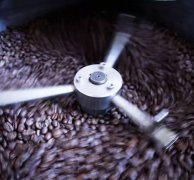
The process of roasting coffee, the process of roasting coffee, the detailed explanation of coffee roasting process.
Most people think that baking is nothing, just frying the raw beans with fire. In fact, in the process of coffee processing, roasting is the most difficult step, it is a kind of science, but also an art, so in Europe and the United States, experienced roasters enjoy a highly respected status. The baking process can be divided into the following three stages: 1. Drying in the early stage of baking, raw beans

The picking and growing process of Coffee-- an introduction to the Manor of planting Environment
The process of picking and growing coffee-- planting environment, producing area manor introduction, also known as drying processing. After the coffee berries are fully ripe, they will fall from the tree. After natural drying, the coffee beans will come out of the coffee berries and become mature coffee beans. This is probably the earliest way to process coffee beans. Later, this method evolved into a drying process. This processing party

How to wash coffee beans? what are the processing methods of washing coffee beans? characteristics of washing coffee beans
Professional coffee knowledge exchange more information about coffee beans Please pay attention to the coffee workshop (Wechat official account cafe_style) washing method came into being in the 19th century, also known as wet processing. The wastewater from the treatment of raw beans is considered to be the source of pollution in the coffee industry. Today, advanced technologies are being developed in many areas to recycle and filter the waste water produced by this process. Strict

The coffee beans treated by the sun are rich in flavor. The coffee beans treated with water are cleaner and sour.
You may have heard a saying: Japanese beans taste richer than tasty beans, and water-washed beans are more sour than dry ones. Is that really the case? The taste of coffee beans can be seen from the way coffee beans are handled. Imagine the smell of coffee from the processing process today. First of all, make one thing clear: processing process = fermented coffee beans.

Italian steamed coffee mechanical picking and manual picking of coffee beans
The processing methods from coffee fruit to coffee beans can be roughly classified as dry processing and wet processing. Dry processing: the coffee fruit is dried and dehydrated by natural conditions such as sunlight and ventilation, and then the dried coffee fruit is put into the peeled pulp, peel and silver skin. This method is the most economical and traditional processing method, and the coffee beans treated by this method can maintain their fragrance for a long time.

Introduction to the processing process of Coffee Bean Water washing treatment-- the flavor of the producing country describes the taste producing area
Introduction to the processing process of washing coffee beans-- description of taste in producing areas: 1. Selection of beans: put the harvested fruits in a sink filled with water and soak for about 24 hours. At this time, ripe fruit will sink, while immature and overripe fruit will float up and can be removed. 2. Remove the pulp: use a machine to remove the skin and pulp, leaving only the coffee wrapped in the endocarp.

Manual picking of coffee beans to deal with the processing process
Manual picking of coffee beans: the fresh coffee fruit after cleaning is put into a peeling machine to remove the peel and ferment: because, the peeled coffee beans are also covered with a layer of mucous membrane (also known as pectin) that cannot be dissolved in water, and the coffee beans are piled up for the fermentation process, which quickly decomposes the mucous membrane and makes it easy to be washed off by water. But

Coffee bean origin coffee bean planting environment
The process of natural solarization is the simplest. The fruit begins the process of sun drying without treatment after picking. This is the oldest method of treatment in existence. This method is still used in places such as Ethiopia and Brazil. Natural solarization is most common in areas where water resources are scarce. The drying process usually lasts about 4 weeks. The way to deal with it must be very

Costa Rica Yellow Honey Coffee Bean Flavor Description Processing Quality Characteristics Grindness Taste Introduction
Costa Rican coffee beans introduced after many attempts, found that honey treated beans in the flavor of a great breakthrough in alcohol, sweetness and richness also increased, even the sweet aftertaste is unusual, so this method began in Costa Rica and Central America some small boutique coffee farms are promoted. With the popularization of honey treatment, its processing technology